
Separate confirmed facts, estimates and unknowns
Note when and how the cat came into care, the basis for an estimated age and the current foster setting. Label estimates as estimates and leave unknowns explicit. If ownership or required local steps are uncertain, ask the local animal-welfare office before widely publishing an appeal. A home address or precise rescue location need not be public.
- Confirmed: when and broadly where the cat was found; keep public location broad
- Estimated: age or prior life, with the basis and uncertainty stated
- Unknown: what you will check and with whom
Describe one observed situation, not just a label
A short label such as 'friendly' is hard to translate into daily life. Instead, say when and where you observed a behavior—for example, approaching before a meal during several weeks in foster care, or retreating to a hiding place after a loud sound. Behavior in a foster setting may change in a new home; avoid guarantees about temperament or compatibility.
- Routine around food, litter, play and resting places
- Reactions to people, sounds or handling, with the observed setting and period
- Compatibility with other animals only to the extent actually observed
Link health information to records and the clinic's explanation
Keep visit dates, the veterinarian's explanation, ongoing medication or care and planned follow-up distinct. Do not describe an untested item as clear or turn a report into your own diagnosis. Avoid unnecessary personal details in the public profile; arrange a safe way to share originals with a prospective adopter when appropriate.
- Keep confirmed, planned and untested items separate
- Record medicines and care as instructed by the clinic
- Ask the treating veterinarian when the meaning of a result is unclear
Make the process and practical conditions visible
Describe the steps you actually use: conversation, meeting household members, any trial period, handover and a contact after adoption. If you request costs, be prepared to explain what they cover, the basis and who receives payment. For local rules or legal questions, ask the relevant public office or a qualified professional; do not treat this profile as a legal form.
- Areas you can work with and where transport questions go
- The actual stages and what is checked at each
- Whether costs apply, an itemized explanation and post-placement contact
Publish photographs and contact details safely
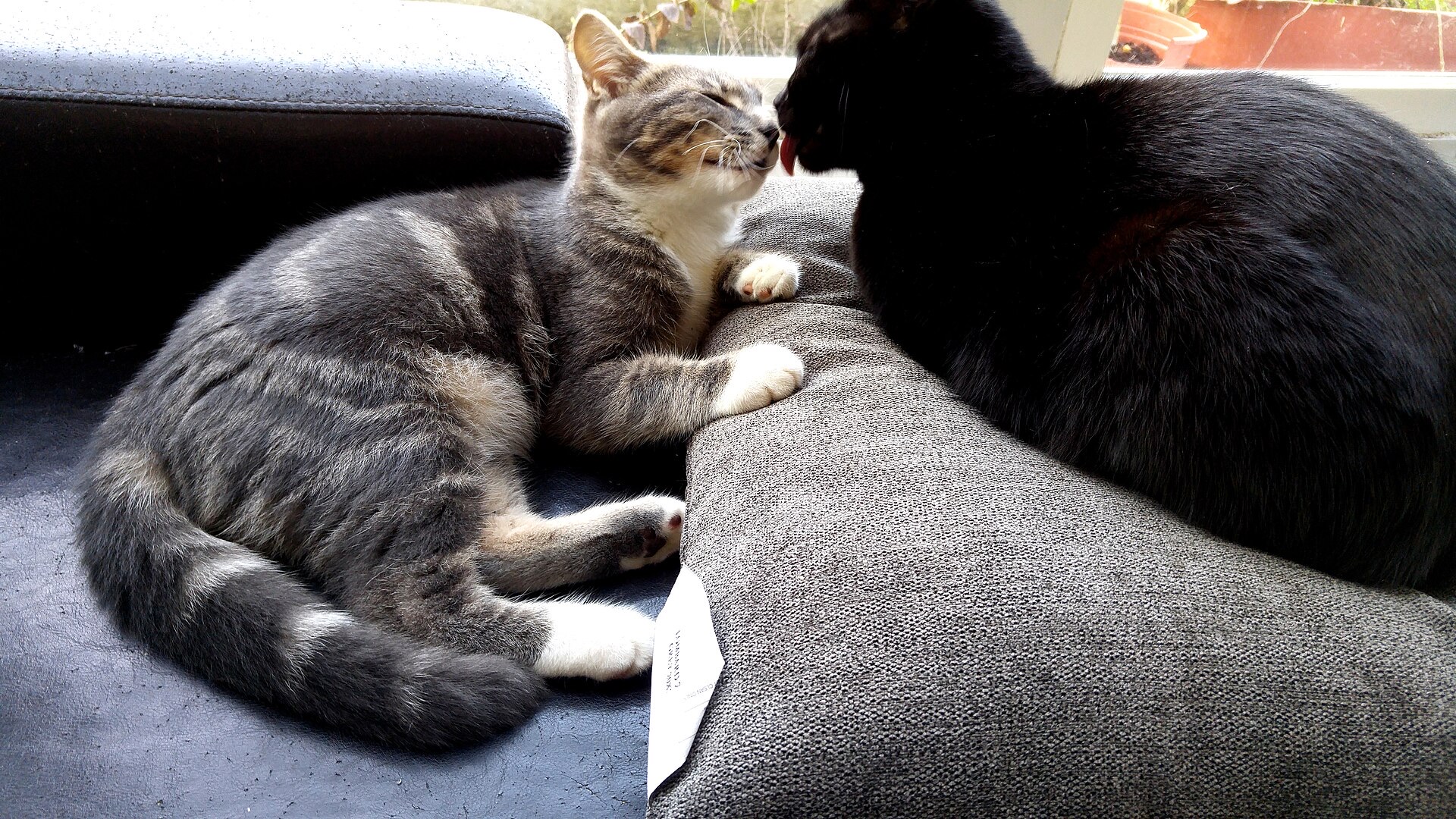
Choose a recent image of the actual cat only when photography and posting permission are clear. Do not let an illustrative image be mistaken for the cat being offered. Check the background for a home view, readable paperwork, faces or phone numbers; use a contact method you are comfortable making public.
- Add when a real adoption-candidate photo was taken
- Do not publish original bills or reports with names, addresses or numbers
- Check the platform's rules and mark an old appeal updated or closed
Review these six items before publishing
Check that the listing, daily-life description, health information, process, costs and privacy all fit together. Japan's Environment Ministry guide treats health checks, behavior, recruitment, applications and matching as distinct stages. It primarily addresses public adoption programs and is not a review or certification of an individual's work. If you need help, ask for a specific task such as reviewing wording or discussing transport.
- Facts and estimates are distinguishable
- The observed period and setting are clear
- Health information has a date and source
- Steps, costs and a contact are explained
- Photo rights and privacy have been checked
- The update date and contact method are visible