
Confirm dates and who to contact
Ask about start and end dates, extensions, formal adoption, whom to contact if ending the trial, and veterinary or travel costs. Some placements do not include a trial; its name alone does not explain the terms.
- Dates, extension and formal-placement steps
- Who to contact about health concerns and what to ask before a visit
- Costs, paperwork and agreed return transport
Make room for safety before expecting affection
Do not decide a cat's character from its first reaction to a new place. Follow the carer's information and veterinarian's instructions about space, food and litter. Do not force handling, pull a cat from hiding or surround it with visitors.
- Fact: date, time, place and observed behavior
- Unknown: label it rather than guessing
- A worrying change: contact the agreed person instead of treating it yourself
Record the household's experience too
Review care duties, time away, housing rules, travel to a clinic and sustainable costs. The question is not only whether you like the cat, but whether the household can continue the care without undue strain. If family members disagree, ask the organizer for time and guidance.
- Can someone reliably cover daily care?
- If there are resident animals, can they keep separate calm spaces?
- What may be difficult to sustain: housing, time or cost?
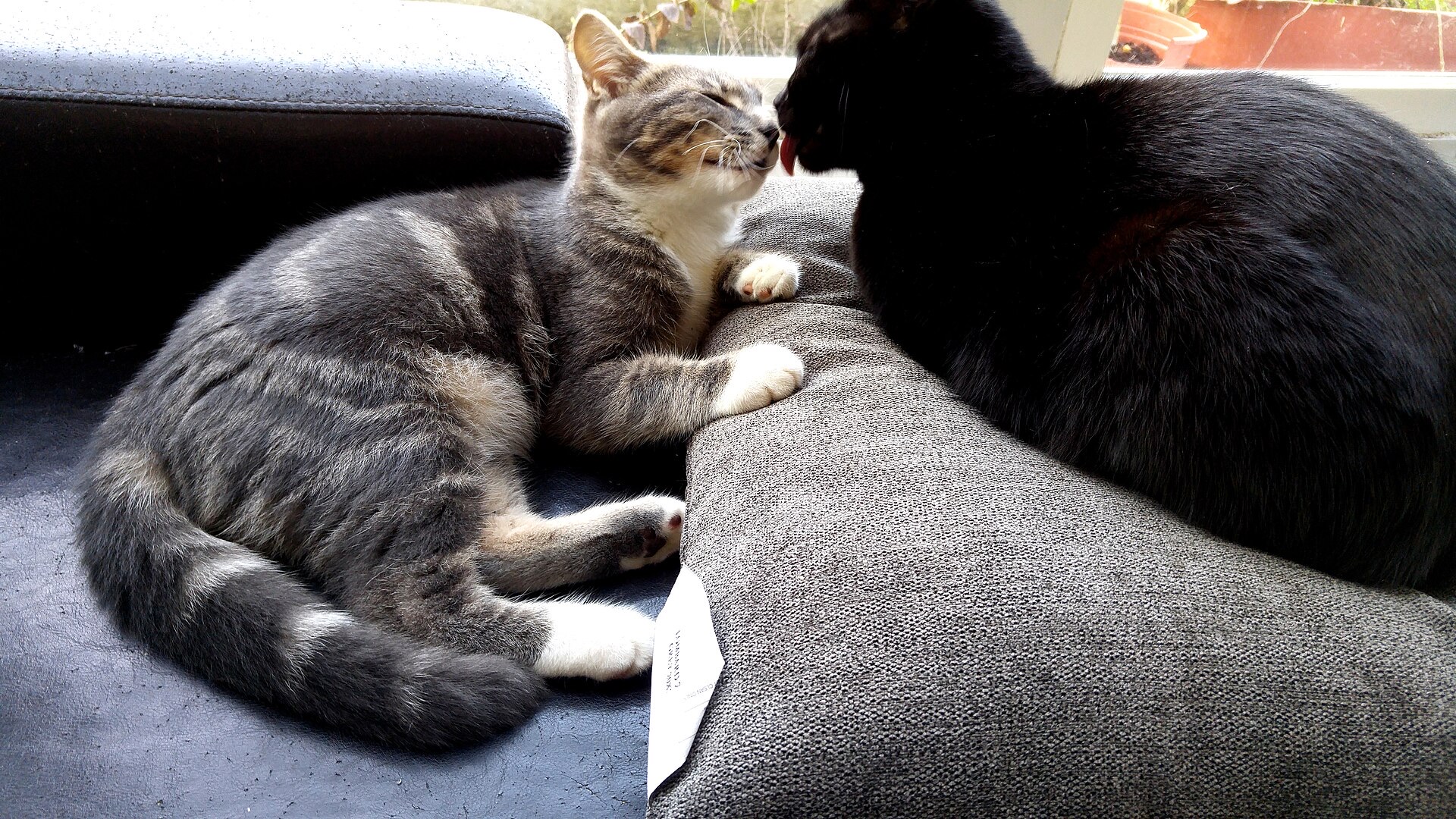
With resident cats, ask about gradual introductions
One meeting cannot settle a relationship between cats. The Feline Veterinary Medical Association guideline discusses gradual introductions and recognizing tension. Ask the rescue and your regular veterinarian how to adapt the process to the home and cats involved.
- Can separate spaces be maintained?
- Who will you contact, and about what changes?
- Ask a professional and the rescue for help if safety or ongoing tension worries you.
Discuss either decision through the agreed process
A trial is not a promise that adoption must happen. If it works, transfer care information and confirm future support. If it does not, do not blame the cat or pass it to someone else without permission; use the agreed contact and return process.